
Thriving Kids Explained: What It Means for NDIS-Funded Play & Sensory Equipment
If you're an NDIS parent, therapist, or plan manager, you've probably started seeing the name "Thriving Kids" appear in government updates, Facebook parent groups, or conversations with your child's therapist. It's a genuinely new program — not a rebrand of the NDIS — and it's going to change how some families access support from October 2026.
At Tinnitots, we work with NDIS families every week to help them use their funding on indoor climbing frames, sensory equipment, and gross motor tools. So we've done the reading — pulling only from official government sources — to give you a clear, honest explanation of what Thriving Kids is, what's still unknown, and what it means for your current plan.
What Is Thriving Kids?
Thriving Kids is a new Australian Government initiative, part of a broader reform called Foundational Supports, designed to give children early developmental help outside the NDIS system. It's aimed specifically at children aged 8 and under with developmental delay and/or autism who have low to moderate support needs.
Children with permanent, significant, or high support needs — the group most families associate with long-term NDIS plans — are not affected. They remain eligible for the NDIS under the usual criteria.
The program will be jointly funded by the Australian Government and state and territory governments, with a combined commitment of $4 billion over five years for this first phase.
When Does It Start?
- From 1 October 2026 — the first state-based Thriving Kids services begin rolling out.
- By 1 January 2028 — full national rollout is expected to be complete.
- Children already enrolled in the NDIS before 1 January 2028 will have their existing plans reassessed under the eligibility rules that were in place before the changes — so nothing changes for current plans overnight.
How Is Thriving Kids Different From the NDIS?
This is the part worth understanding properly, because it's a structural shift, not just a name change.
The NDIS works through individual plans — a family gets an approved budget and chooses how to spend it (subject to plan rules), including on equipment like sensory gear or climbing frames, if it's included as a reasonable and necessary support.
Thriving Kids is designed to work differently. Support is intended to be delivered through everyday environments — schools, community health services, childcare, and Medicare-linked allied health — rather than through an individually managed funding pot. It's meant to help families access support earlier, often without needing a formal diagnosis or an NDIS application first.
What We Don't Know Yet (And Why We're Telling You)
Here's where we want to be upfront with you, rather than guess.
As of today, the official Thriving Kids fact sheets and government announcements do not specify how — or whether — families will be able to use Thriving Kids support to purchase equipment, such as sensory toys, climbing frames, or gross motor tools, the way NDIS Plan-Managed and Self-Managed budgets currently allow.
We're not going to speculate on this to make a tidier article. If your child currently accesses equipment funding through an NDIS plan, that pathway isn't disappearing overnight — and if you're unsure how future changes might affect your family specifically, your plan manager, Local Area Coordinator, or the NDIS directly are the best people to ask.
We'll update this page as the government releases more detail.
What This Means for Your Family Right Now
- If your child is already on an NDIS plan before January 2028, nothing changes immediately. Your existing plan continues under current rules.
- If your child has high support needs, you remain eligible for the NDIS regardless of age.
- If your child is 8 or under with low-to-moderate support needs and not yet on a plan, Thriving Kids services will start becoming available in your state from October 2026 — details will be published by your state government as they're confirmed.
- If you're a school, clinic, or early childhood service preparing for more children accessing support through mainstream settings, our Sensory Swedish Wall Bars are a compact, wall-mounted option designed for classrooms and therapy rooms with limited floor space.
Why "Mild to Moderate" Is a Contested Label
You may see Thriving Kids described as being for children with "mild to moderate" developmental delay or autism. It's worth understanding that this framing is being pushed back on by parents, teachers, and disability advocates — not because the policy details are settled, but because the label can undersell what "moderate" support needs actually look like day to day.
At a parliamentary inquiry into the program, advocates warned that shifting children with mild-to-moderate needs into mainstream systems risks leaving them overlooked before those systems are fully built out, with some submissions describing the framing around the changes as harmful to how autistic children are perceived. A Level 2 autism diagnosis — one of the support levels being discussed under Thriving Kids — can describe a child who needs substantial daily support: things like limited spoken language, frequent meltdowns, and support needs across toileting, emotional regulation, and motor skills. That's a meaningfully different picture from what "moderate" might suggest to someone unfamiliar with the NDIS support-level system. This is exactly the kind of profile OTs often support with structured "heavy work" tools like our Sensory Climbing Monkey Bars Ladder, used for proprioceptive and vestibular input regardless of which funding pathway a family ends up on.
If your child currently receives NDIS support and you're unsure how upcoming changes might affect them specifically, your Local Area Coordinator or plan manager is best placed to advise on your circumstances — the government has confirmed that children already on a plan before 1 January 2028 are reassessed under the rules in place before Thriving Kids changes take effect.
How Tinnitots Can Help
Whatever changes ahead look like, our approach doesn't change: we help Australian families use their current NDIS funding — Plan-Managed and Self-Managed — to access indoor, no-drill sensory and gross motor equipment that suits home, clinic, or classroom settings.
A few ways families are using Tinnitots products right now:
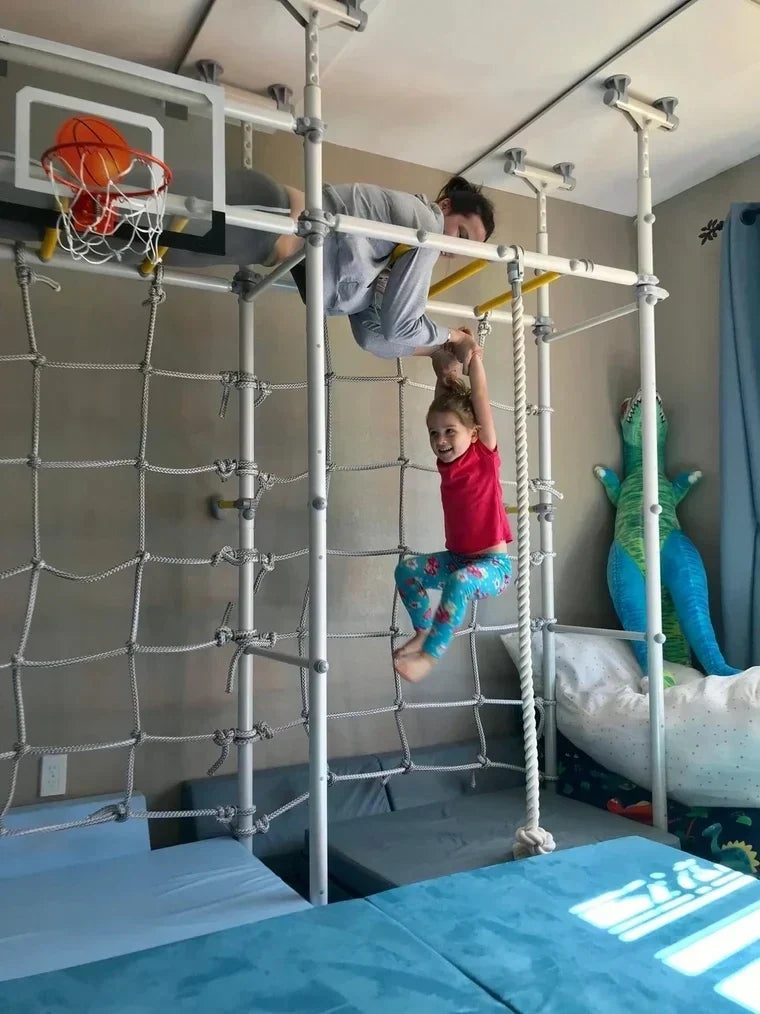
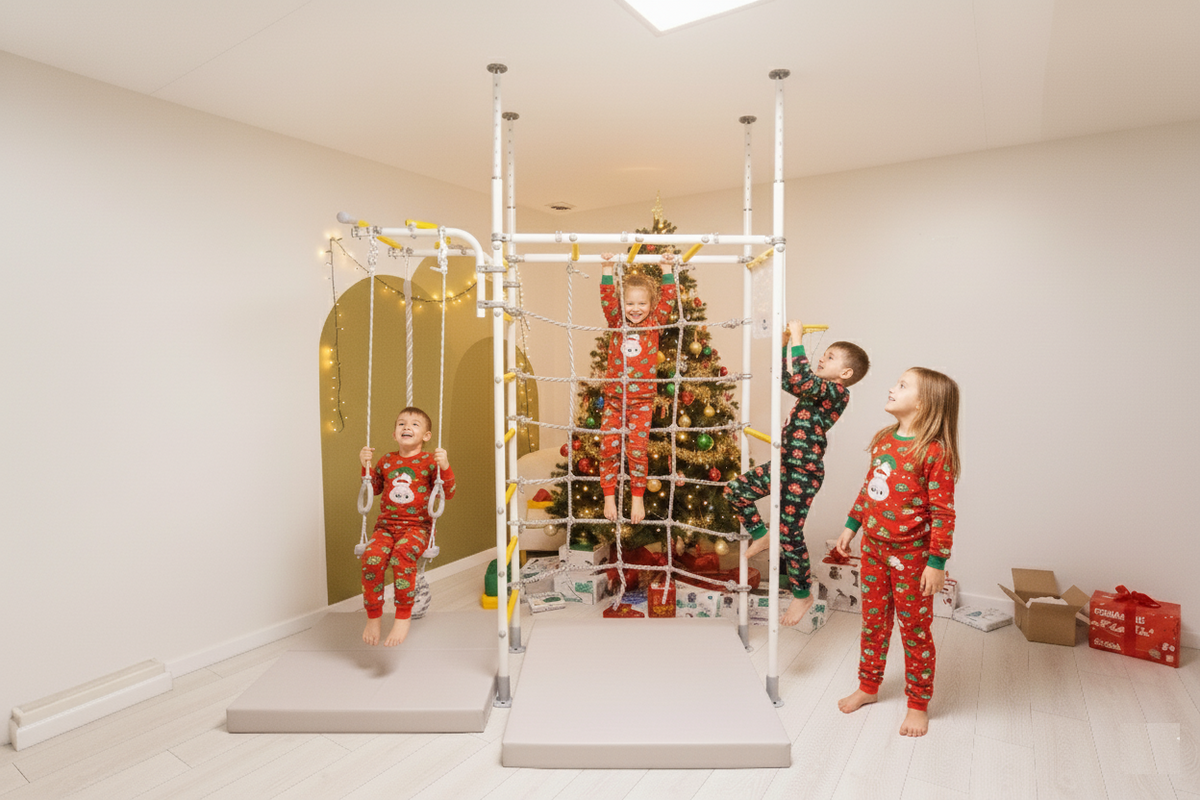
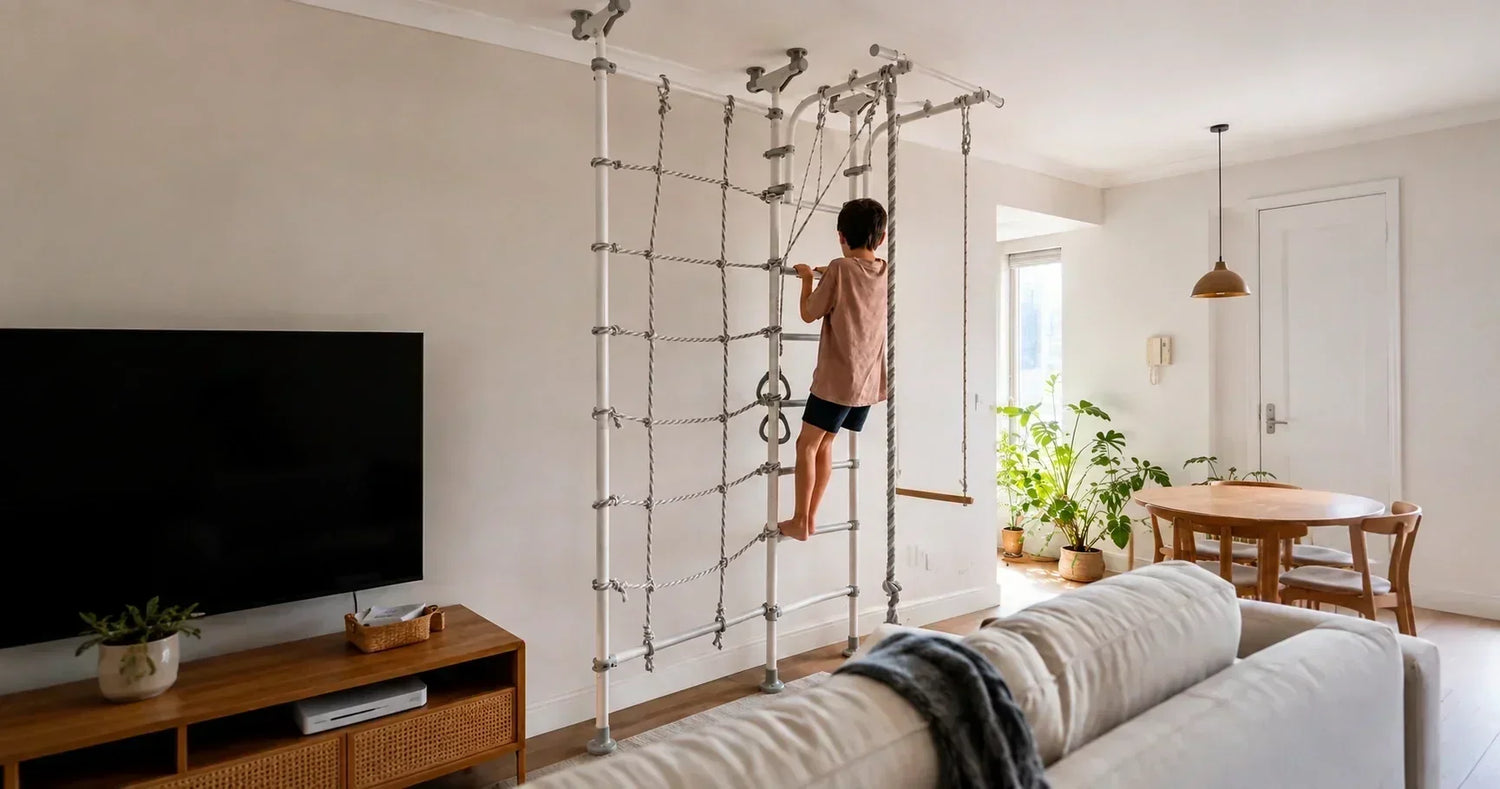
- Indoor No-Drill Monkey Bars — tension-mounted, apartment and rental-safe, no wall damage, popular with OT-recommended "heavy work" routines.
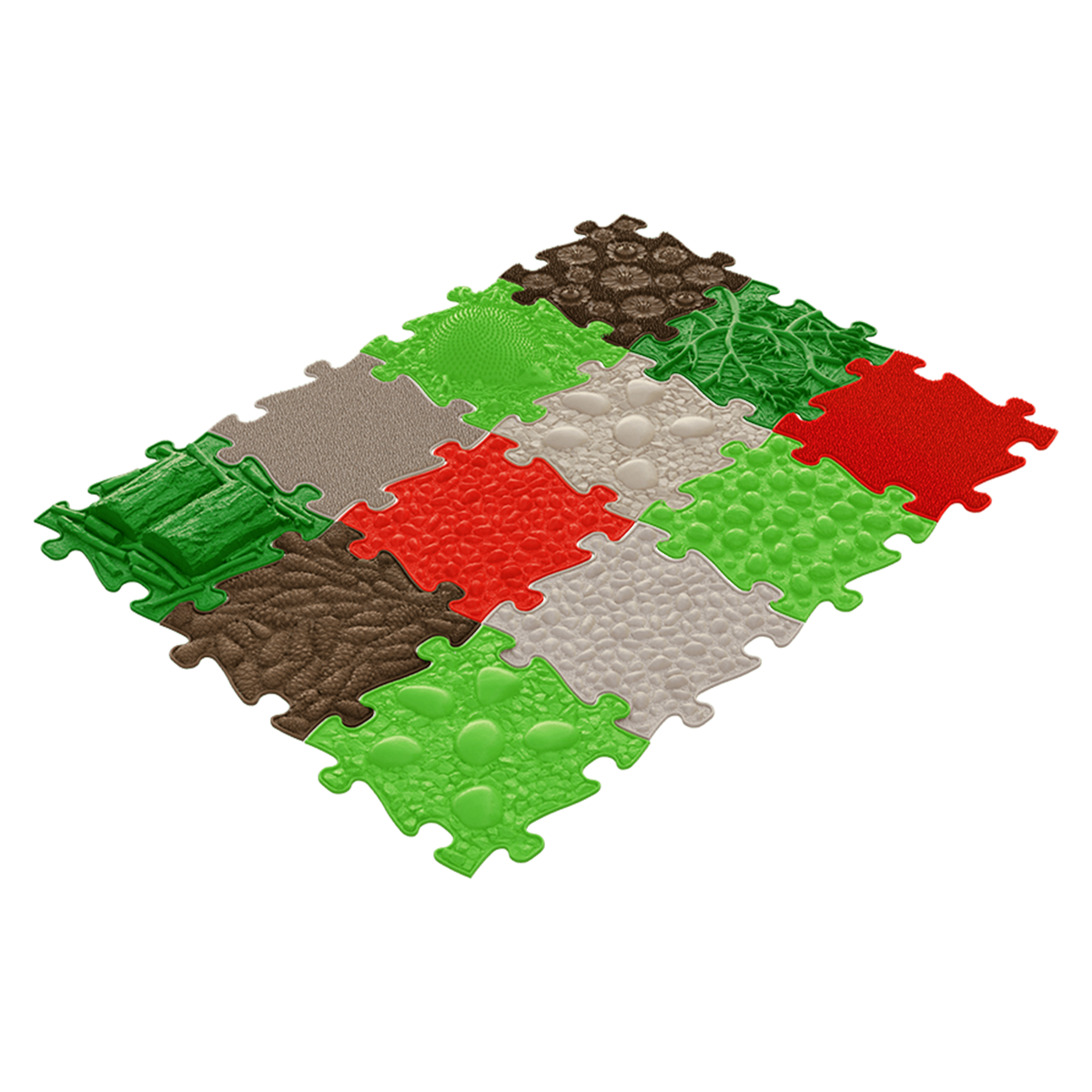
- Sensory Playmats — tactile and proprioceptive support for sensory-seeking and autistic children.
- NDIS Orders page — a plain guide to which budget categories our products may fall under, and how Plan-Managed and Self-Managed families can order.
What Families Are Saying
We don't like to put words in our customers' mouths, so here's what a few have told us in their own reviews, in brief:
- One family who'd previously owned an outdoor set from a competitor switched to our no-drill indoor model and said it gets used far more often, since it doesn't depend on the weather.
- A parent of a tactile-seeking toddler described immediate, enthusiastic engagement with our sensory playmats, praising the packaging and storage as well.
- Multiple reviewers highlight the adjustable, modular design as something that keeps working as their children grow, rather than something they'll outgrow in a year.
(You can read the full reviews on our product pages and via our verified Google and Trustpilot reviews.)
Frequently Asked Questions
Does Thriving Kids replace the NDIS? No. It's a new, separate program for a specific group — children 8 and under with low-to-moderate developmental delay or autism support needs. Children with significant or high support needs remain on the NDIS.
Will my child lose their current NDIS funding? Not automatically. Existing plans (enrolled before 1 January 2028) are reassessed under the rules in place before the changes.
Can I still buy equipment like monkey bars or sensory toys with my current NDIS plan? Yes — nothing about your current plan changes because of this announcement. How equipment funding works under Thriving Kids specifically hasn't been confirmed by the government yet.
When do I need to do anything? Right now, nothing. Thriving Kids services begin rolling out from October 2026, with more detail expected from your state government as that date approaches.
Is NDIS eligibility changing right now, separate from Thriving Kids? Some families are reporting the NDIS applying stricter diagnostic requirements for autism assessments even before Thriving Kids begins. This is a separate, ongoing process from the Thriving Kids rollout. If you're currently applying or reapplying, it's worth confirming the latest requirements directly with the NDIS or your Local Area Coordinator, as processes can change.
This article reflects publicly available information from the Australian Government Department of Health, Disability and Ageing and the NDIS as of August 2026. Thriving Kids is a developing program — details may change. For advice specific to your child's plan, speak with your Local Area Coordinator, plan manager, or the NDIS directly.
Sources:
0 comments